Trade spend is one of the largest line items in the global economy. More than $500 billion flows through it every year. It touches every promotional circular, every category plan, every deal negotiated between a retailer and a CPG partner.
And most of it underperforms.
Not because retailers are bad at pricing. Not because CPG partners are bad at funding. Because both sides have always planned and executed trade without sharing the same data on the same deals. The gap is not a failure of effort. It is a failure of architecture.
The scale is staggering
Trade spend represents 15 to 25% of gross revenue for most grocery operators. On the CPG side, it funds 40 to 60% of every promotional event. These are not marginal line items. They are the financial foundation of how retailers and their supplier partners grow together.
And yet 72% of US trade promotions lose money.
The obvious question is why. The honest answer is that the problem has been hiding in plain sight.
Two sides, two versions of reality
Grocery net margins run at roughly 1 to 3%. At that level, even a small leak between what was planned and what was executed is material. A fractional misalignment in trade fund accounting does not round off. It shows up on the P&L.
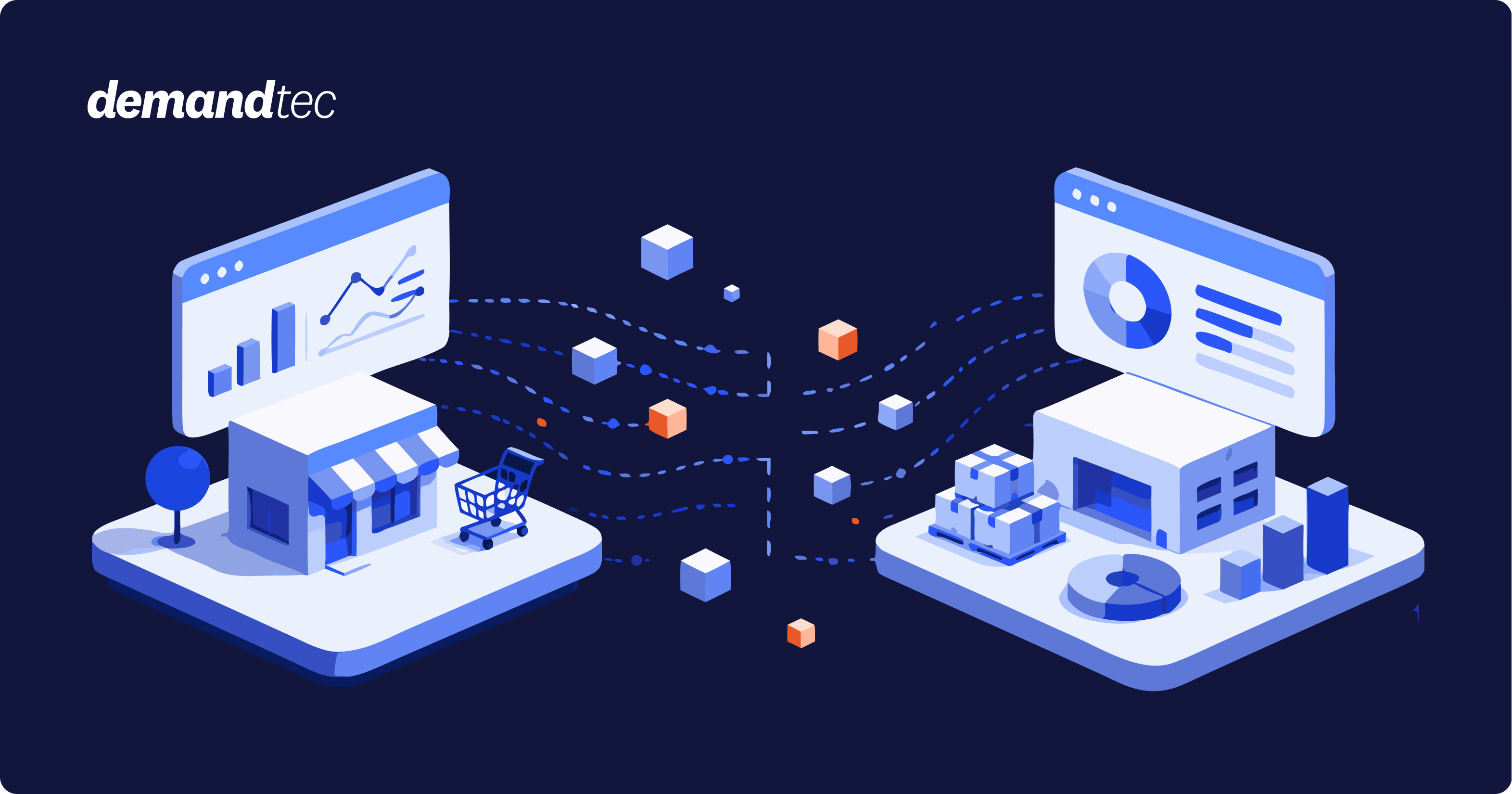
The problem is structural. Retailers build promotional calendars based on their internal assumptions about what CPG partners will fund. CPG partners commit trade funds based on their internal assumptions about what the retailer will execute. Both assumptions are reasonable. They are just not the same.
By the time the promotion runs, the retailer is executing against a plan that was built without confirmed funding. The CPG partner is funding an event built without confirmed promotional terms. The gap between those two realities is where margin disappears.
Then the reconciliation window opens. Deductions get submitted. Disputes follow. The retailer sees one number. The CPG partner sees another. Neither team made an error. They were simply never working from the same data.
The human cost
Inside commercial teams on both sides, this problem has a daily face.
On the retail side: promotional events get approved without a clear line of sight to whether the trade dollars funding them have actually been committed. Category managers build plans against assumed support. Pricing decisions get made without visibility into pending CPG trade offers. A price increase goes through on a Tuesday. A funded promotion tied to the old price structure runs on Thursday.
On the CPG side: deal processing consumes time that should go toward strategy. Teams spend 10 or more hours per week managing the manual mechanics of deal submission, tracking, and reconciliation. The data needed to evaluate whether a promotion actually drove incremental volume arrives weeks or months after the execution window has already closed.
The result is a commercial relationship where both sides are working hard and both sides are operating blind to the other’s picture.
This is confirmed by independent research. According to Ananda Chakravarty, Research Vice President, Retail Merchandising and Marketing Analytics Strategies, IDC, document US54428526-IS, April 2026: 55% of grocery retailers identify insufficient CPG collaboration as their number one supply chain gap. On the other side of the same relationship, 40% of food and beverage manufacturers name the same gap.
Both sides feel it. Neither side can fix it alone.
Why the problem has persisted
The natural response to a coordination failure is a process fix. More frequent syncs. Better templates. Tighter approval gates.
These help at the margin. They do not fix the architecture.
The root cause is that trade has always been managed across disconnected systems, optimized for individual functions and connected, at best, through scheduled exports and manual reconciliation. The retailer’s pricing system does not see the CPG’s trade offers. The CPG’s trade management platform does not see the retailer’s promotional plan. Each system is doing its job. But the handoffs between them are where value leaks.
No sync cadence closes a structural data gap. No process layer eliminates the reconciliation burden that comes from two sides settling against two different versions of the same deal.
On June 24, DemandTec is introducing the operating model built to close this gap. Commercial Trade Intelligence is the bilateral system where retailers and their entire CPG network work from the same data on every deal, fund, and settlement. If you are responsible for trade strategy, margin performance, or commercial execution on either side of the retail-CPG relationship, this is the session built for you.
Register for the June 24 webinar
A category whose time has come
The industry has spent two decades investing in better tools on each side of the trade relationship. Retailers have better pricing science. CPGs have better fund management platforms. Both investments were right. And the gap between them remains, because the problem was never a one-sided one.
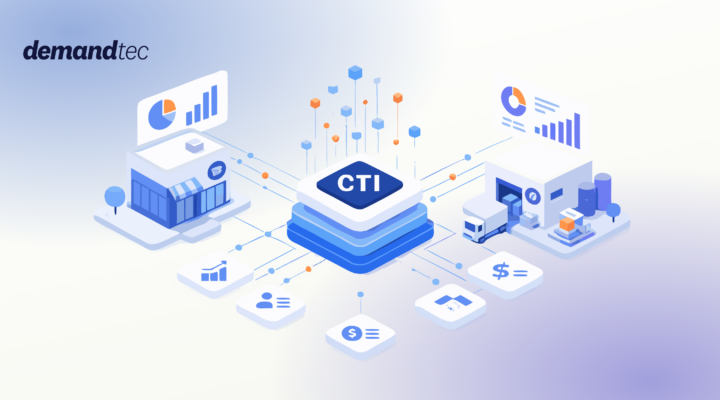
Commercial Trade Intelligence is not a feature. It is an operating model. It means both sides planning, executing, and settling trade from a shared data layer where the retailer’s view and the CPG’s view are not two versions of the same deal. They are one.
The $500 billion problem has persisted because solving it required both sides to operate from a single source of truth. That is what changes now.
Register for the June 24 webinar and see what Commercial Trade Intelligence looks like in practice.
Key Takeaways / TL;DR
$500 billion in annual trade spend is one of the largest and least optimized line items in the global economy. The core problem is structural: retailers and CPG partners have always planned and executed trade from separate data systems, producing a coordination gap that leaks margin on both sides. Grocery net margins of 1 to 3% mean even small misalignments are material. Independent research confirms both sides feel it: 55% of grocery retailers and 40% of food and beverage manufacturers name insufficient CPG collaboration as their top supply chain gap (IDC, Ananda Chakravarty, US54428526-IS, April 2026). Commercial Trade Intelligence is the operating model built to close the gap. DemandTec is introducing it on June 24.
FAQ Section
Trade spend is the investment retailers and CPG partners make together to fund promotional events, deals, and category growth. For most grocery operators it represents 15 to 25% of gross revenue, making it one of the largest and most consequential commercial line items. Despite its scale, most trade spend underperforms because both sides plan and execute it without sharing the same data.
The core driver is the coordination gap. Retailers build promotional plans based on assumed CPG funding. CPG partners commit funds based on assumed promotional execution. When those two assumptions do not match, the economics of the event deteriorate before it even runs. Post-event reconciliation confirms the outcome rather than enabling any correction.
Commercial Trade Intelligence is the operating model where retailers and their entire CPG network plan, execute, and settle trade from a single shared data layer. Both sides see the same deal, the same fund, and the same settlement in real time. DemandTec is formally introducing the category at a live webinar on June 24, 2026.
Because it is a structural problem, not a technology gap on either side individually. Both retailers and CPGs have invested in better tools. Those tools are optimized for their own side of the relationship. The gap persists in the handoffs between systems, where coordinated decisions become sequential, disconnected ones. Closing the gap requires both sides to operate from a shared data model, which has not existed until now.