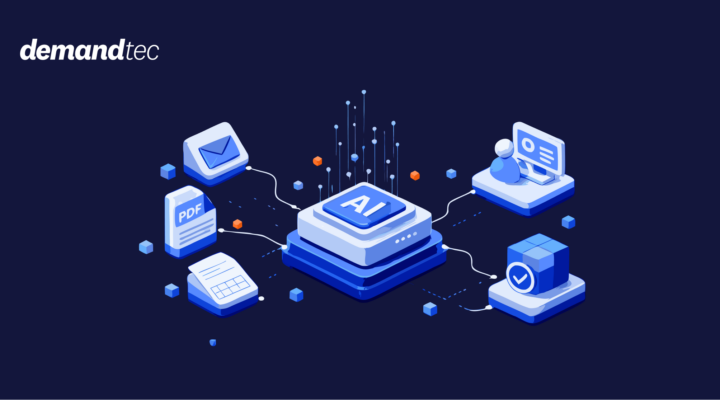
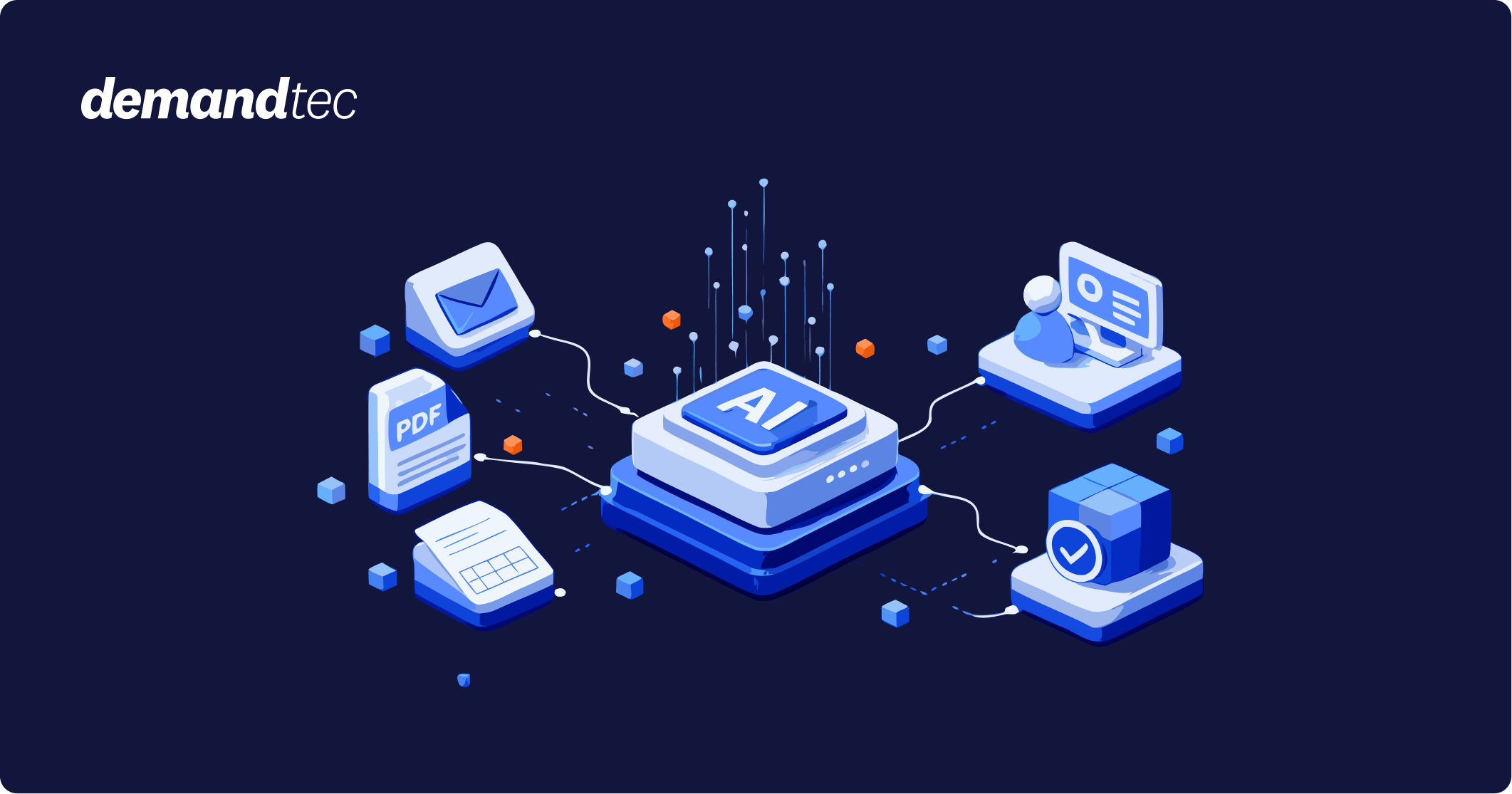
On a Tuesday morning, a CPG account manager opens a deal request that arrived as an email, a PDF attachment, and a follow-up text confirming a change in terms. Before any strategic work begins, someone has to reconcile all three, re-key the terms into the trade system, check for gaps against what was verbally agreed, and resubmit once a mismatch is inevitably found. None of this builds the promotion. All of it delays it.
This is not a rare bottleneck. It is the default condition of trade operations at most CPG organizations, and it has nothing to do with a missing feature.
A Structural Failure, Not a Feature Gap
The industry has spent years treating data translation work as an unavoidable cost of doing business in trade — something to staff for, not something to question. Our research shows that 82% of CPG trade teams spend more than 10 hours a week on deal processing that generates no commercial output. At scale, that means some of the largest brands in the world maintain entire teams dedicated to work that should not exist in its current form: manually translating data between systems that were never built to talk to each other.
The cost is not only the hours. It is the errors that translation work introduces — errors that cause deal rejections, late submissions, and missed promotional windows. A trade organization can be fully staffed, fully diligent, and still lose money to a category of failure that has nothing to do with strategy.
Picture a single assembly line feeding a single worker, handling both standardized and custom projects. The volume that line can produce is always capped by the size of the line, the speed of the flow, and the capacity of that one worker. When volume increases, the worker does not get more capable — they get buried.
From Reporting to Acting
For years, software addressed this by reporting on the problem faster: better dashboards, better alerts, better visibility into where things had already gone wrong. That was progress, but it left the actual work — the translation, the reconciliation, the resubmission — entirely on human shoulders.
What has changed is that AI can now act inside the window when action still matters, not just describe what already happened. That distinction is the entire difference between the two versions of the Tuesday morning above.
Two Moments Where Agentic AI Changes the Work
Fund leakage is often the result of sell-through underperformance that is caught too late — typically after a promotional period has already closed, when the only thing left to do is document what went wrong. But some promotions run for as little as a week, which means the window to correct course is measured in days, not weeks. By comparing transaction logs against forecast during the earliest days of a promotion, agentic AI can surface underperformance while there is still time to act — a day or two, in many cases — and route that insight to the retailer before the loss becomes unrecoverable. This is not a better postmortem. It is the difference between catching a problem in time to fix it and catching it in time to explain it.
Reconciliation works the same way: when an invoice does not match the terms of the original deal, someone has to find the gap, determine whether it is a legitimate discrepancy or a data entry issue, and decide how to proceed. Today, that is a manual line-by-line comparison, often days or weeks after the fact. An agentic AI system built to compare invoices against deals continuously can surface those gaps as they occur — mapping the deal terms to the invoice line items and flagging exactly where they diverge. It does not decide the dispute. It stages the case: the gap, the relevant deal terms, the recommended action — ready for a single human review and submission. The account manager still makes the call. They just are not the one who has to find the problem first.
The Guardrail
Agentic AI can compare records at scale, surface gaps the moment they appear, and stage recommended actions well within the windows that matter. What it does not do is take over the decision itself — particularly when a case falls outside the parameters it was built to handle.
None of this means the AI is making the call. Agentic AI augments human judgment — it does not replace it. Humans still own the relationship, the strategy, and the final decision on anything that requires it.
That distinction matters most when something goes wrong. If a custom, non-standard case is accidentally routed into the automated path, the system is built to recognize that it is outside its defined parameters. It does not attempt to resolve it or force an answer. It analyzes what it can — pulling the relevant data, flagging the ambiguity — and hands the case to a human worker along with that analysis already attached. The AI does the assembly-prep. The human makes the judgment call. That is not a slogan; it is the actual failure mode the system is designed around.
- Recognizes it is outside defined parameters
- Does not attempt to resolve or approve
- Pre-analyzes: pulls relevant data, flags the ambiguity
- Receives the project with the AI's pre-analysis attached
- Makes the actual decision
- AI did the prep; the human owns the outcome
Built on What Already Works
This is not a new engine bolted onto trade software. It runs on 25 years of demand science and relationships across 7,800 supplier partners — the same intelligence that already informs deal terms, forecasts, and category strategy. The agentic layer does not replace that foundation. It is what lets trade teams finally use it in time to matter.
The work that should not exist — the re-keying, the late discovery, the reconciliation after the fact — was never a measure of how hard trade teams work. It was a measure of how much of their time was captured by a category of software that was never built to give it back. Commercial Trade Intelligence is designed to change that math.
Key Takeaways
For most CPG trade teams, the real bottleneck isn’t a missing feature — it’s structural: 82% spend more than 10 hours a week on deal processing that produces no commercial output. Agentic AI changes that by acting within the window when correction is still possible, rather than only reporting on problems after the fact. It catches sell-through underperformance and fund leakage in the earliest days of a promotion, and reconciles invoices against deal terms continuously, staging each case for a single human review. Crucially, it augments human judgment rather than replacing it — the account manager still makes the call. Built on 25 years of demand science and 7,800 supplier relationships, DemandTec Commercial Trade Intelligence is designed to give trade teams that time back.
Questions, answered
Frequently Asked Questions
Agentic AI is software that can take action inside trade promotion workflows — comparing records, surfacing discrepancies, and staging recommended next steps — rather than only reporting on what already happened. For CPG trade teams, it handles the data-translation and reconciliation work that produces no commercial output, freeing people to focus on strategy and relationships.
Dashboards describe problems after the fact, often once a promotional window has already closed. Agentic AI acts within the window when correction is still possible — comparing transaction logs against forecast or invoices against deal terms and flagging gaps while there is still time to fix them.
No. Agentic AI augments human judgment; it does not replace it. It prepares the case — the gap, the relevant deal terms, and a recommended action — but the account manager still owns the relationship, the strategy, and the final decision.
Fund leakage usually stems from sell-through underperformance caught too late. By comparing transaction logs against forecast during the earliest days of a promotion, agentic AI can surface underperformance within a day or two and route the insight to the retailer before the loss becomes unrecoverable.
It is the agentic layer built on DemandTec’s 25 years of demand science and relationships across 7,800 supplier partners — the same intelligence that already informs deal terms, forecasts, and category strategy, now applied in time to act on it.